This is one of those things patients notice randomly.
Maybe you’re flossing and see a little space near the gumline. Maybe food seems to catch somewhere it didn’t before. Or maybe you’re just looking closely in the mirror and something looks different.
The question usually sounds like this: “Is this normal, or should I be worried?”
The honest answer is: it depends. A visible space between a tooth and the gum can mean very different things for different people. Sometimes it’s minor. Sometimes it needs attention. The only way to know is to look at the full picture.
Sometimes It’s Just Natural Change
Gums aren’t static. They shift slightly over time for all kinds of reasons.
Brushing pressure, genetics, small changes in bite, even aging can influence how the gum tissue sits around a tooth. A subtle change doesn’t automatically mean gum disease or something serious developing.
In many cases, especially if there’s no bleeding, swelling, or discomfort, it may simply be something we monitor rather than treat.
When We Think About Gum Disease
That said, one possible cause of a gap is gum inflammation.
Gum disease doesn’t always start with pain. Early stages can be quiet. Some patients notice occasional bleeding while brushing. Others don’t notice anything at all until a hygienist measures deeper pockets around the teeth.
But here’s the important part: not every gum gap equals active gum disease. Some patients need treatment right away. Others may only need improved home care and more frequent cleanings. It truly varies from person to person.
What About Gum Recession?
Another possibility is gum recession. Recession means the gum tissue has moved slightly lower on the tooth, exposing more of the root. That can happen because of brushing habits, grinding, bite alignment, or simply individual tissue type.
For some patients, recession stays stable for years and doesn’t require intervention. For others, especially if sensitivity or progression is present, we may recommend specific dental treatments.
Again, there isn’t one standard answer. The recommendation depends on how significant the change is and whether it’s still progressing.
Is It Just Cosmetic?
Sometimes the concern is mostly visual.
A small gap along the gumline may not affect health at all, but it may change how a smile looks. In those cases, cosmetic dentistry options might be discussed, but only after confirming that the gums and bone are healthy.
Health always comes first. Cosmetic decisions are personal and optional. And for many patients, reassurance that everything is stable is all that’s needed.
When It’s Worth Booking a Visit
If you’re noticing bleeding, persistent bad breath, increasing sensitivity, or gums that look like they’re shrinking noticeably, it’s reasonable to have it checked.
But booking an appointment doesn’t automatically mean complex treatment. Sometimes it simply gives you clarity.
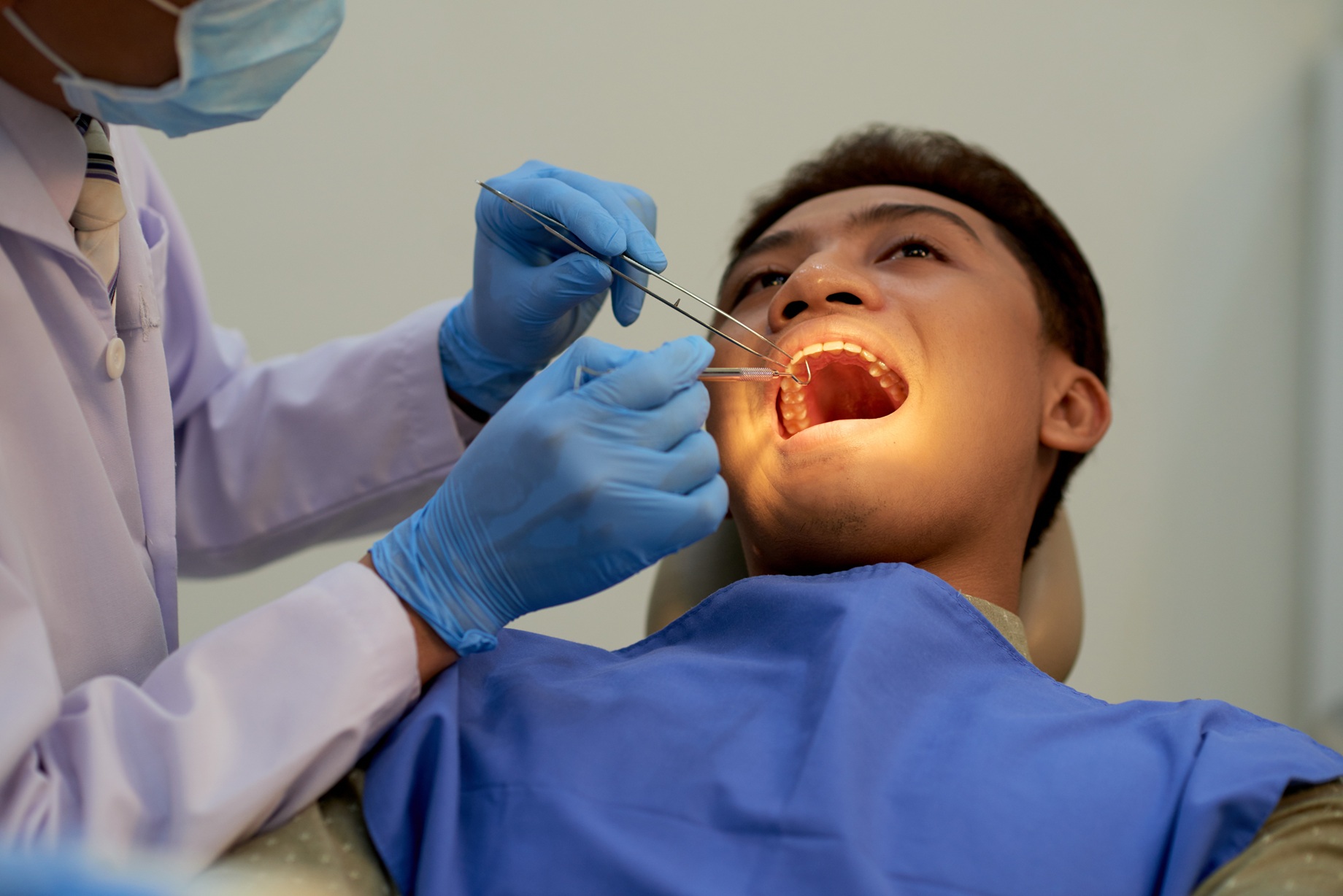
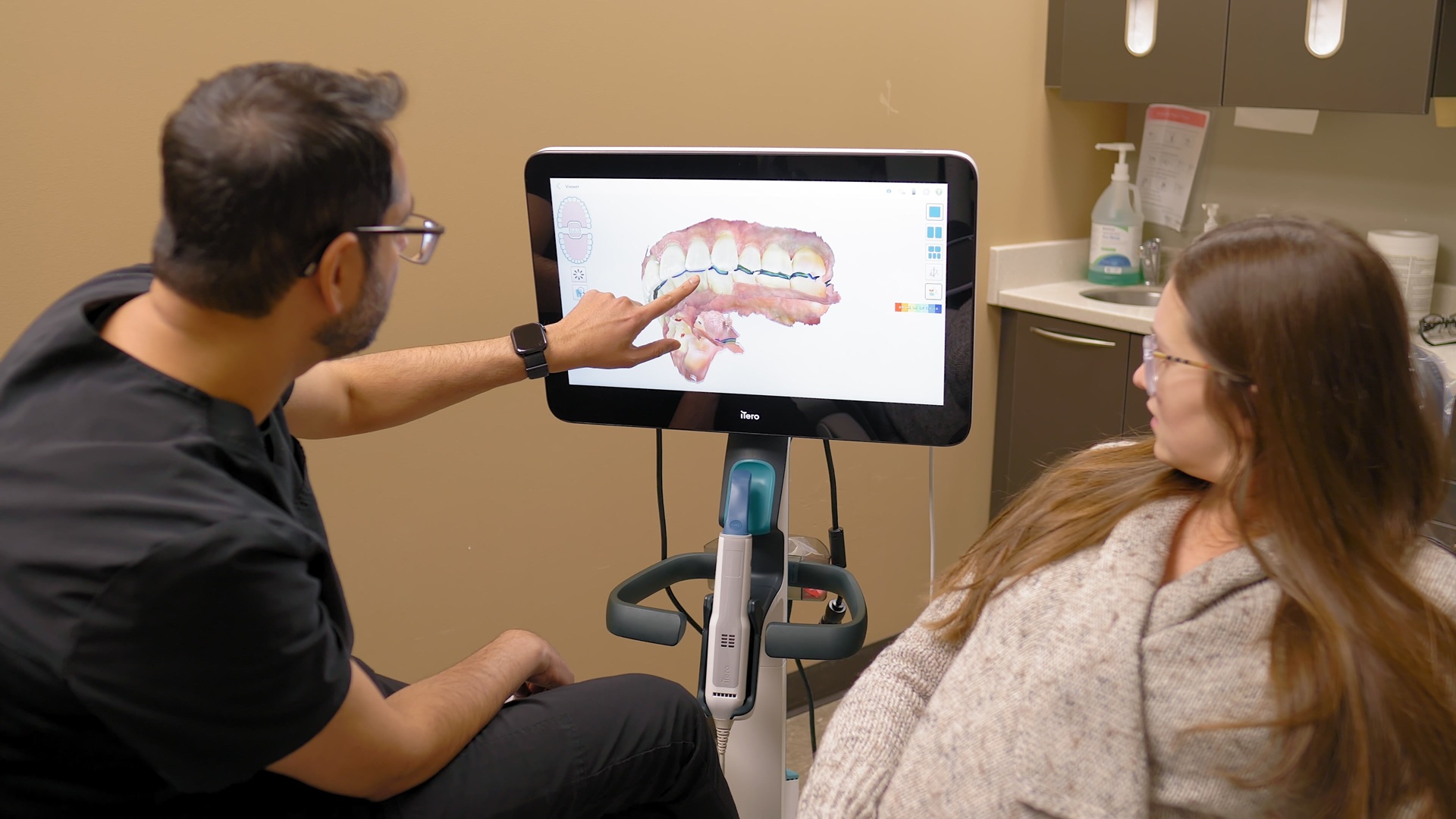
At Quarry Park Dental in Calgary, we look at factors such as overall oral health, hygiene habits, bite relationship, and how the gums have changed over time. Some patients may need deeper cleaning. Others may not need any active treatment at all.
Each situation is assessed individually. What’s appropriate for one person may not apply to another.
Why Context Matters
It’s easy to search symptoms online and assume the worst. But gum and tooth conditions don’t follow a single pattern.
Two patients can have similar-looking gum lines and very different underlying causes. That’s why definitive answers without an exam rarely help.
A family dentist’s role isn’t to jump to conclusions, it’s to evaluate, explain, and guide based on what’s actually happening in your mouth.
The Bottom Line
A gap between your teeth and gums might be normal. It might be an early sign of something developing. Or it might fall somewhere in between.
The only way to know is through a proper evaluation.
If something doesn’t look or feel quite right, we encourage you to schedule a visit with Quarry Park Dental in Calgary. Our team will take the time to examine the area carefully, answer your questions honestly, and discuss whether the best next step is treatment, monitoring, or simply reassurance.